01 Choose the service scope

DDP
Delivery and import responsibilities arranged through to the named destination.

Conventional forwarding
Book the logistics services you need, with each party’s role agreed in advance.
DDP, LCL or a full container? Start with what your shipment needs.
Find your starting point ↓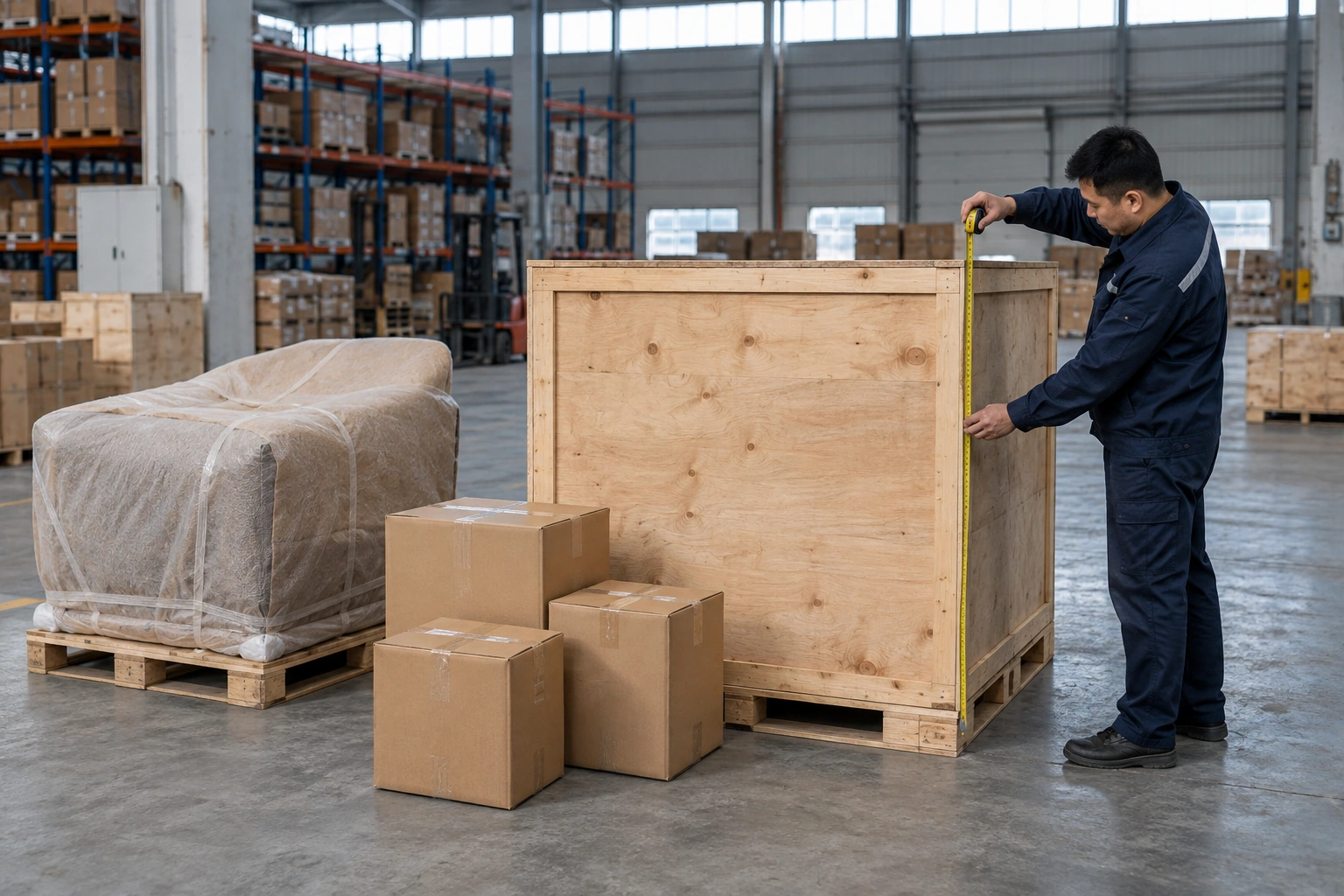
First choose the support you need. Then choose how your goods travel.
Delivery and import responsibilities arranged through to the named destination.
Book the logistics services you need, with each party’s role agreed in advance.

Discuss when time is the priority.

Shared ocean container space.

A container for your shipment.
DDP can apply across transport modes; it is not a parcel-size category.
Choose around the responsibilities you want coordinated, not just the name on the quote.
| What matters | DDP delivery | Conventional forwarding |
|---|---|---|
| Your starting point | You want a coordinated plan through to an agreed delivery address. | You want selected services, or already work with an importer, broker or local delivery team. |
| Import duties & clearance | Under DDP sales terms, the seller handles import formalities and applicable duties and taxes. | Allocation follows your sales terms and logistics quotation. A freight booking alone does not establish who pays import taxes. |
| What to compare | The named destination, covered cargo, included services and any special delivery requirements. | Origin charges, freight, destination handling, clearance support and onward delivery, on the same scope. |
| Your part | Provide accurate cargo and consignee information and clarify receiving arrangements. | Confirm which stages you manage and which stages you ask CTC to arrange. |
DDP allocates obligations between seller and buyer; the freight forwarder coordinates contracted services.
Ask us to confirm the route, cargo acceptance, importer arrangements and the exact delivery point. A service label is not a substitute for a clear quotation. If DDP cannot be arranged for your cargo or destination, we will need to discuss another scope.
“Bulky DDP” describes a large-item delivery request, not a separate transport mode. A sofa, a crated machine or several pallets still needs both a transport plan and a delivery plan.
Start with the packed dimensions and weight of each piece. Add photos, whether it can be stacked, and any lifting or access requirements. Then compare a DDP scope using suitable ocean transport with a conventional freight quote covering the stages you actually need.
Ask for a DDP assessment if you want import and final-delivery arrangements coordinated. Confirm route and product eligibility first.
Ask whether the packed item is accepted for LCL. Size, weight and handling restrictions depend on the service and route.
Request an FCL comparison when the order is substantial or sharing is unsuitable. Extremely large pieces may need specialist equipment.
There is no universal carton count or CBM cutoff for every shipment.
Illustrative starting points for a conversation—not fixed service rules.
Ask: Is the order urgent, or can it wait for an ocean schedule?
Compare: Air and LCL where available. Decide independently whether you want a DDP delivery scope.
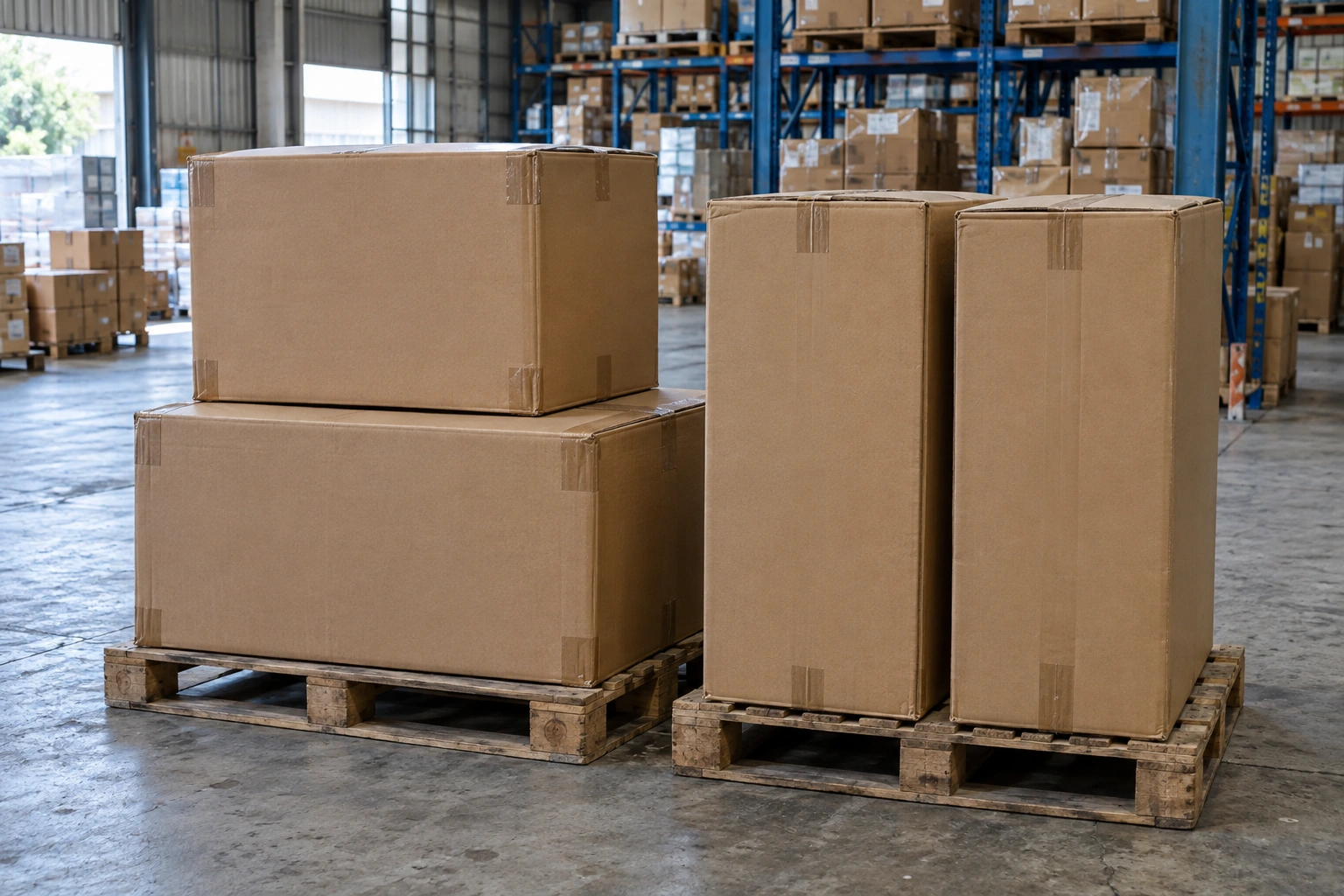
Share the packed sizes, not only the number of boxes.
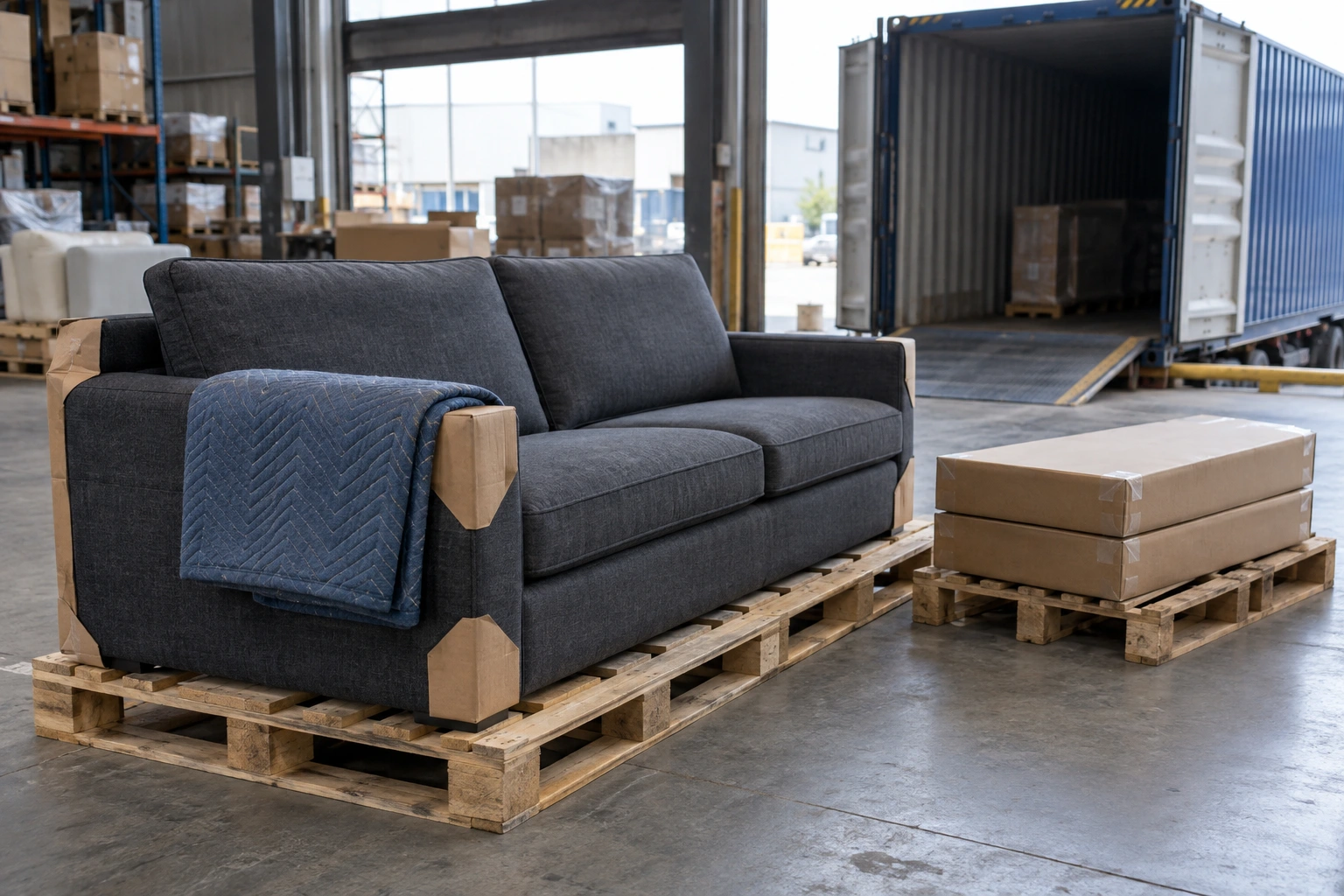
Ask: Can the item be handled safely at origin and at your address?
Compare: Accepted LCL service versus a dedicated load. Ask for DDP if you also need that delivery scope.
Send the largest piece’s dimensions and photos.
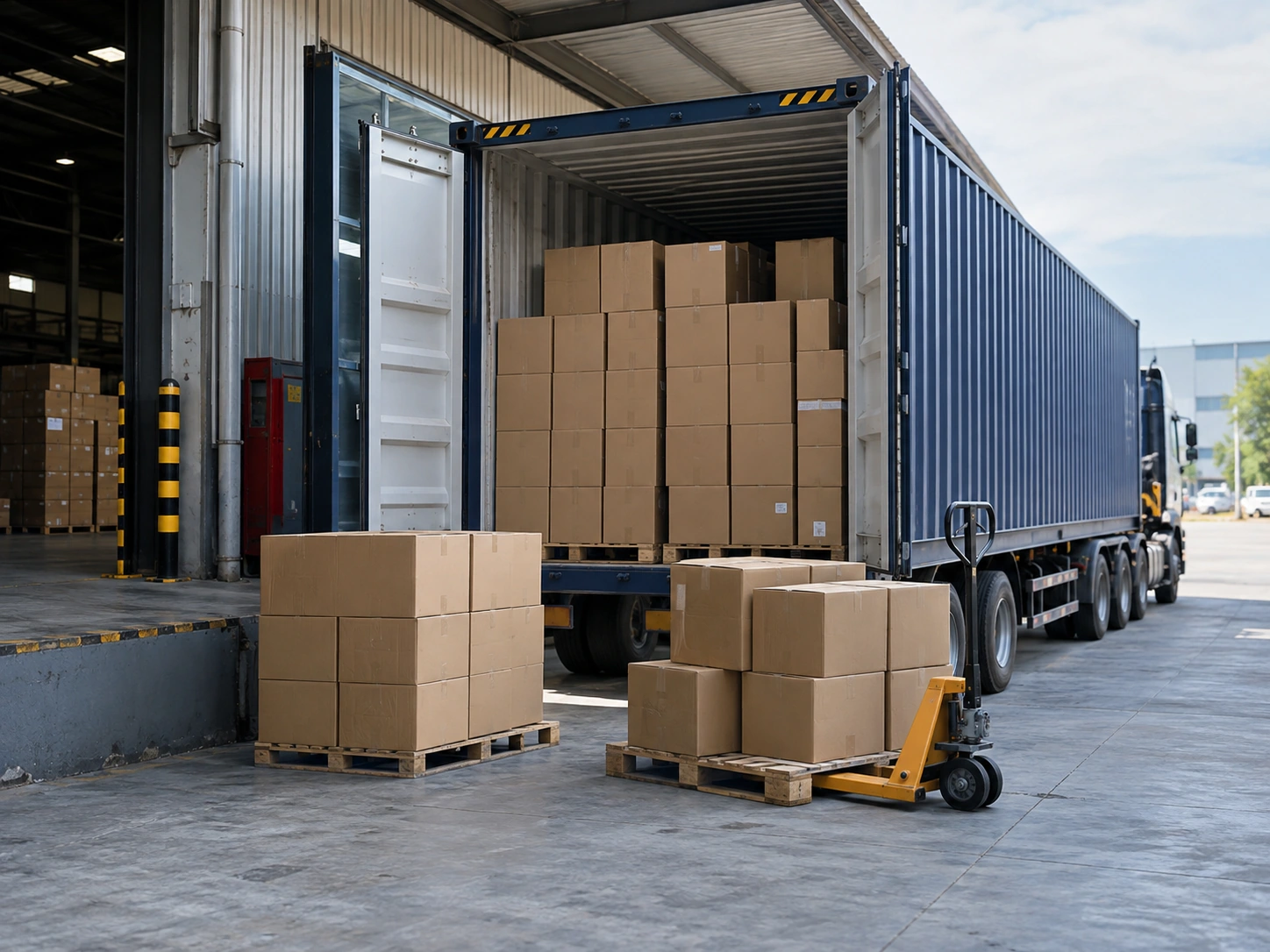
Ask: Are all suppliers ready, and does a dedicated container suit the load?
Compare: FCL and LCL totals on the same route and service scope. Allow for loading and destination arrangements.
Share a packing list and cargo-ready dates.
Air is generally the faster option over long distances; ocean LCL also needs consolidation and release time. Ask for an estimated pickup-to-delivery schedule, rather than comparing only flight or sailing time. Cargo readiness and customs processing also affect the plan.
Three questions to help you brief our team. This is planning guidance, not a quote or cargo acceptance.
Next: send the product, packed dimensions, weight and destination so we can check suitability.
Discuss this with CTC ↗A low freight line alone does not tell you what it will cost to receive the shipment.
Use the same pickup point, destination, cargo details and delivery requirements. Ask what is included, separately payable or still to be confirmed.
Air pricing may use the higher of actual and dimensional weight. LCL commonly uses weight or volume; FCL uses a container basis. Confirm the quoted method, minimums and applicable surcharges.
Tell us about fragile or non-stackable cargo, special handling, remote access and receiving hours. Ask how storage, inspections or changes to cargo details would be handled.
A few precise details make the first conversation more useful.
Send its name, material, use, value and photos. Identify batteries, liquids or other special features.
Give carton or pallet count, external dimensions and gross weight, including the packaging.
Supplier locations in China, destination country and full delivery address or agreed port.
Include each supplier’s readiness date and your target arrival date. Tell us if either is flexible.
State whether you need sourcing, collection, DDP, selected freight services or help comparing them.
Tell us about your broker, unloading equipment, access restrictions and receiving hours, if applicable.
For identical rectangular packages:
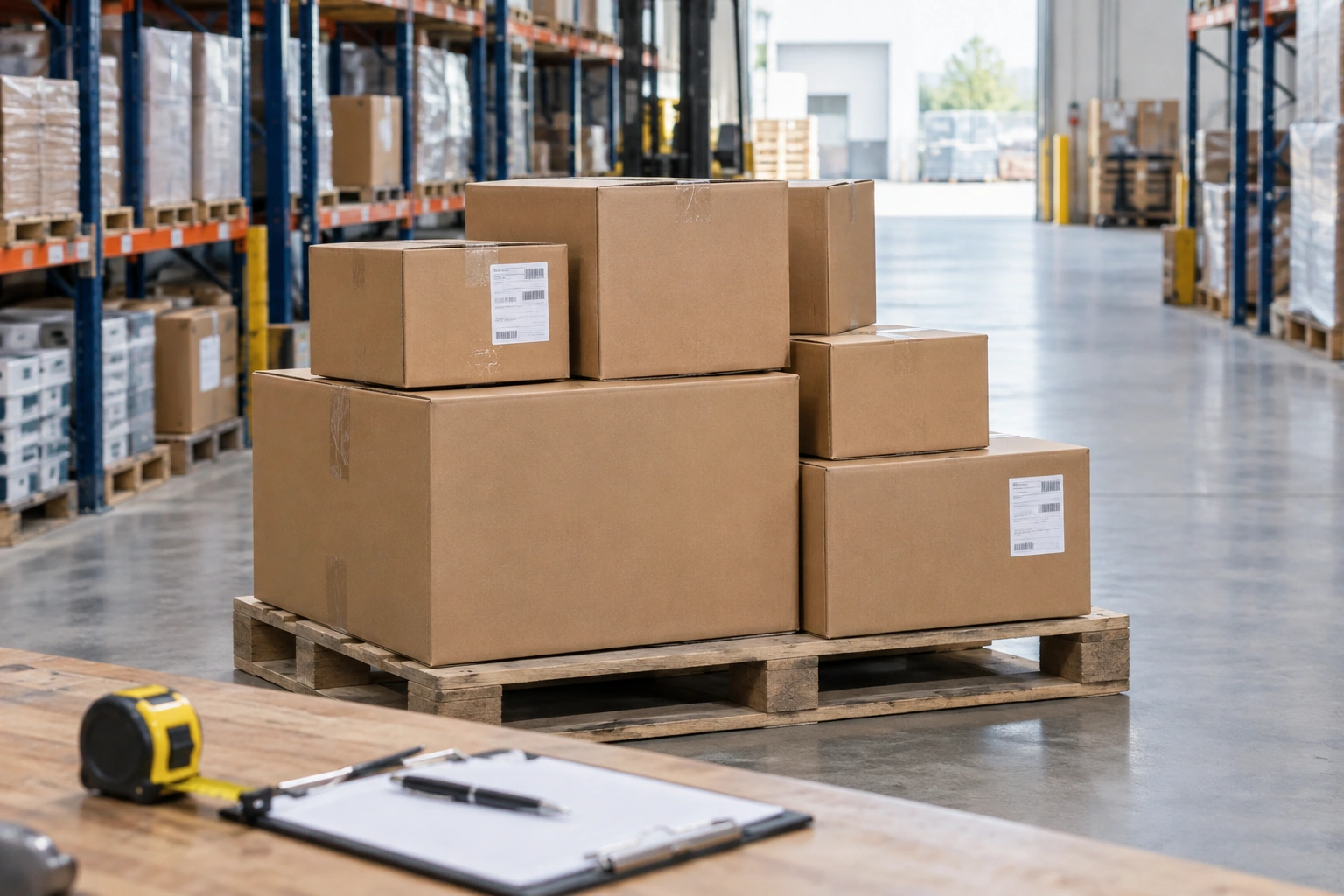
Use metres to get cubic metres (CBM). Calculate different package sizes separately, then add them together.
Example: 1.2 × 0.8 × 1.0 m × 2 = 1.92 CBMA volume example, not a freight price. Include the pallet and outer packaging.

A commercial invoice describes the sale; a packing list describes the packed cargo. Transport documents, customs declarations and any product-specific certificates depend on the shipment. Names, quantities, values and package details should agree across the documents.
Do not assume that a DDP arrangement removes the need for accurate information or destination-specific import requirements.
No. DDP is a delivery term, not a size limit. Acceptance of large, heavy or unusual cargo must be checked for the actual route and delivery arrangements.
No. A DDP service can use shared or dedicated container arrangements where available. Confirm both the service scope and transport arrangement in your quote.
Ask us to coordinate collection and consolidation. Start with each supplier’s location, packing details and ready date. Waiting for one order may affect the combined shipment’s schedule.
Do not assume that it is. Ask what cargo insurance, if any, is included and review its scope and exclusions. DDP alone does not require an insurance contract for the buyer.
Send the supplier’s estimated packing list and mark it as provisional. We can discuss the likely options, then review the quote when final measurements and weights are available.
Share your cargo details. We’ll help you compare a practical way forward.
Photography-style scenes are AI-generated illustrations.